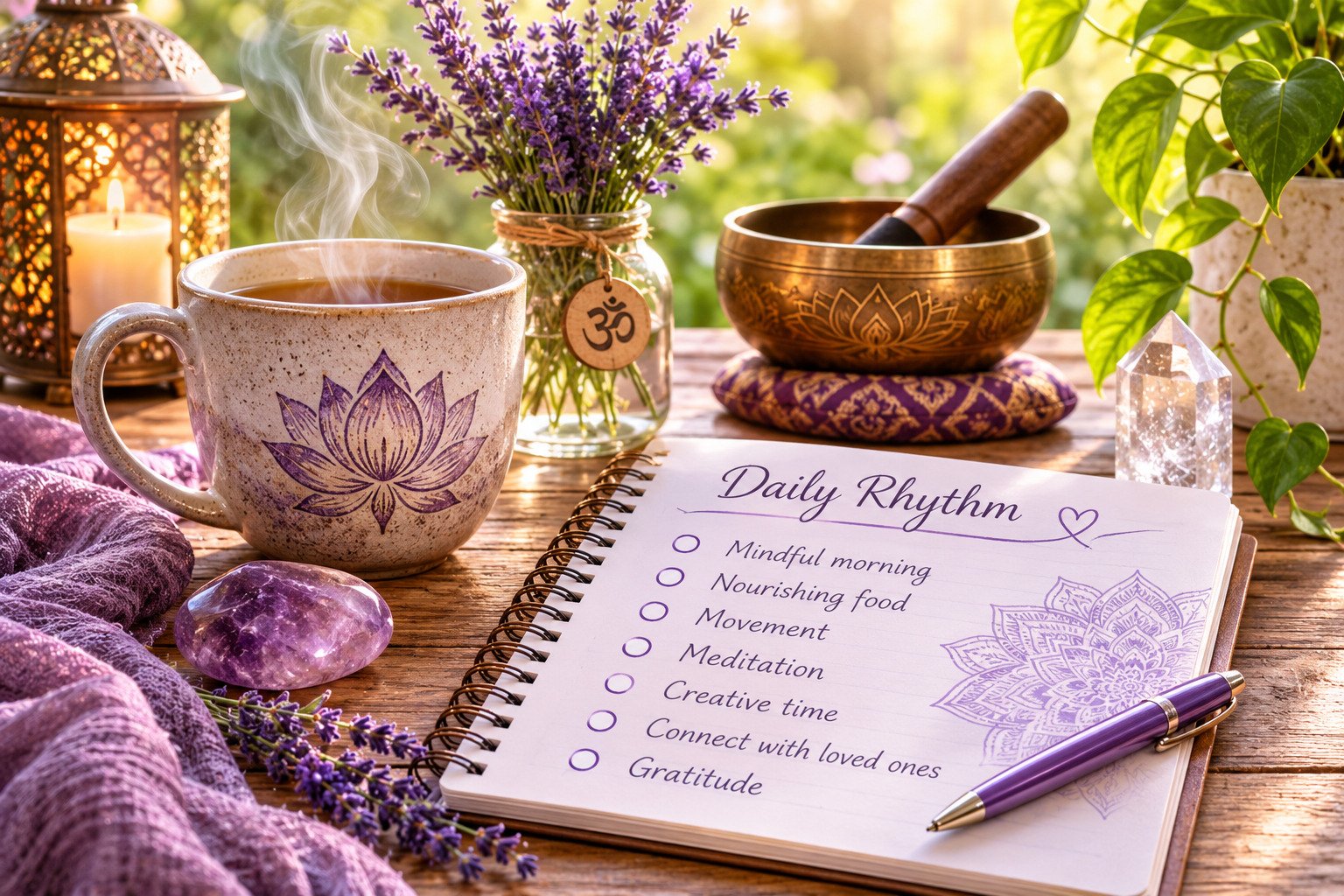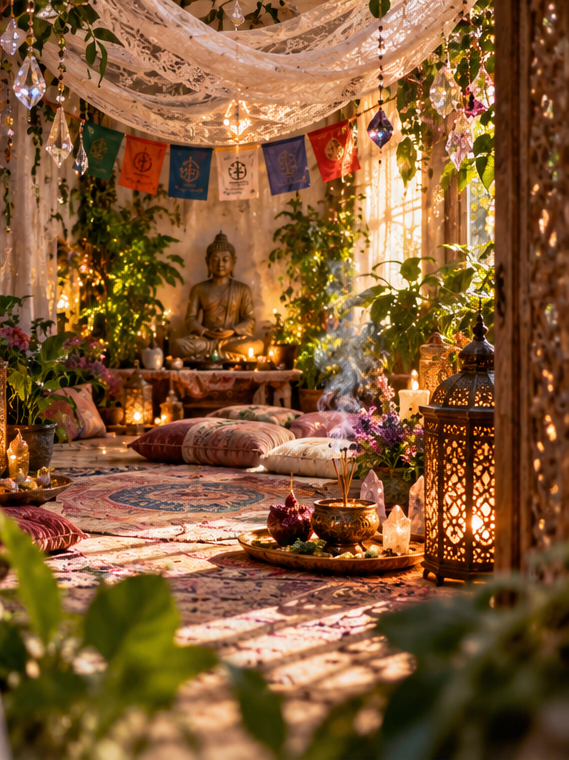
Have you ever walked into a room and felt your shoulders soften before you’ve even sat down? Perhaps it was the warm pool of light from a lamp, a favourite old chair tucked beside the window or the sight of leaves moving outside. There’s often nothing extravagant about the places that make us feel comfortable. They simply seem to understand how we like to live. Designing a relaxing room begins with noticing those details and choosing a few that make sense in your own home, rather than trying to reproduce a flawless photograph from a decorating magazine.
Begin with the space you have
Take a look around the room you’re thinking about changing. Is there a corner that catches beautiful morning light, somewhere you love to read or a stretch of wall that could hold a little shelf? You might have an entire spare room, but a space beside the bed or an unused chair can be just as inviting. Before buying anything, clear enough space to move comfortably and try sitting there at the time of day you’re most likely to use it. Notice the light, the sounds and whether you feel warm enough. The answers will tell you far more than a shopping catalogue ever could.
Let lighting create the atmosphere
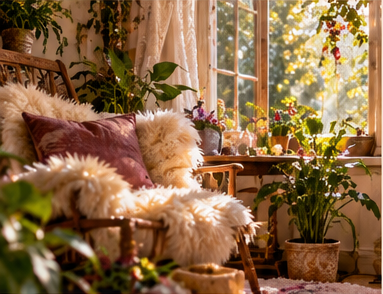
Bright overhead lighting is useful for all sorts of tasks, but it isn’t always the most inviting choice for a quiet evening. A lamp with a warm, gentle glow can make a familiar room feel entirely different. During the day, you might prefer natural light through a curtain that softens the glare. Think about where you’ll be looking: a lamp beside a chair is more helpful for reading than a decorative light that leaves you squinting. If candles are part of your ritual, place them safely away from fabric, plants and anything that might be knocked over; battery-powered candles can give a similar glow without the flame.
Texture, colour and things with a story
A soft throw, a cushion that supports your back, a little timber stool or a rug underfoot can make a space feel inviting without requiring matched furniture. Neutral shades are lovely, but they aren’t the only route to calm. If deep plum, botanical green or sun-warmed terracotta makes you happy, use it. Some rooms are soothing because they’re simple, while others feel comforting because they contain well-loved objects collected over time. A seashell from a holiday, a small plant grown from a cutting or an old ceramic bowl can offer more character than an entire set of new accessories.

A place for your practices
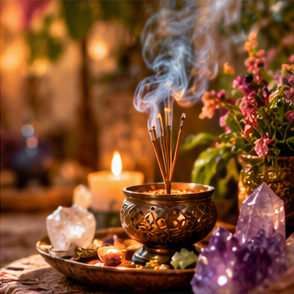
If you enjoy meditation, journaling, yoga or crystal rituals, make the practical things easy to reach. A comfortable chair may suit you better than a floor cushion, and a basket can hold a journal, blanket and timer without filling the room with clutter. You might place an amethyst or another treasured object nearby as a quiet focal point, or keep a small space clear for movement. The aim isn’t to display an ideal spiritual lifestyle; it’s to make the practices you genuinely enjoy easier to return to.
Let the room grow with you
Try the arrangement for a few days before deciding what it needs. Perhaps the light is wrong at sunset, the cushion looks beautiful but isn’t particularly comfortable, or your favourite view is actually from the other side of the room. Move things around. Borrow what you can from elsewhere in the house. A relaxing space doesn’t need to be finished in a weekend, and it certainly doesn’t have to look like anyone else’s. The nicest room is usually the one that gives you a little more pleasure in being at home.
Recommendations
Affiliate links, where included, are identified with the recommendation.